Orthodontics · US Dental Care
Orthodontics.Braces and SPARK clear aligners.
Tooth alignment and bite correction for children and adults. Your orthodontist selects the treatment method and diagnostic tests after examination.
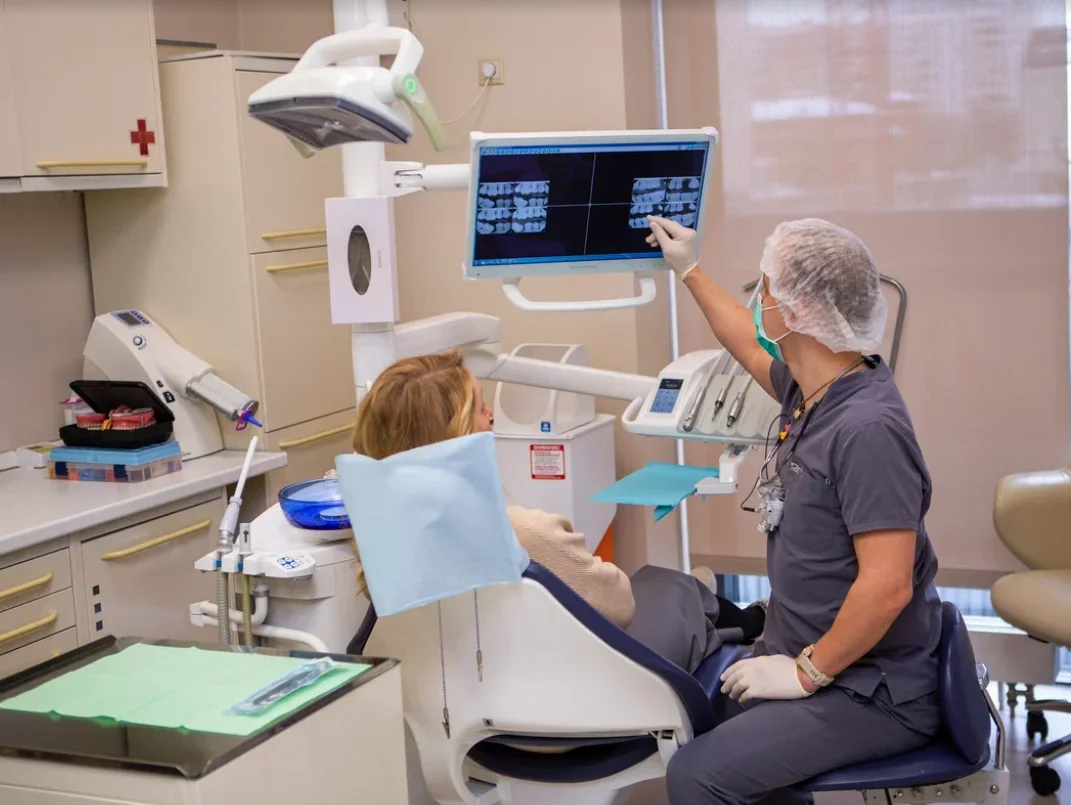
Functional Diagnostics
Clear Aligners · SPARK
SPARK aligners: movement in stages.
Clear, removable trays are changed in sequence. Your orthodontist plans and monitors tooth movement.
SPARK · MOVEMENT IN STAGES
A sequence in which every stage matters.
Swipe through the stages →
01Starting position
02A series of aligners
03Treatment goal
Illustration only. Tooth positions and movement plans vary by patient.
How aligners work
A plan and regular checks.
Your orthodontist prescribes the wearing schedule and when to change trays. Follow the instructions and attend your checkups.
01
Removable traysRemoved for meals and daily oral hygiene.
02
Follow-upYour orthodontist checks tooth movement at scheduled visits.
Important
Aligners are not suitable for every situation. Suitability is determined after assessment.
Braces
Four types of braces.
Materials, visibility and attachment methods differ. Your system is selected according to your bite and preferences.
01
Conventional metal braces
Metal braces: the archwire is held in place by ligatures.
02
Self-ligating metal braces
An integrated bracket mechanism holds the archwire without separate elastic ligatures.
03
Esthetic braces
Less visible materials. Your orthodontist determines which system is appropriate.
04
Lingual braces
Attached to the tongue-facing side of the teeth. Suitability is assessed individually.
Digital Diagnostics
iTero: a digital model of your teeth.
Scanning creates a three-dimensional model of the dental arches for bite analysis and movement planning.
iTero · Digital assessment
The shape of your teeth.
Information for planning.
Information for planning.
An illustration of a dental arch
01
Scanning
We create a digital model of your dental arches.
02
Analysis
Your orthodontist assesses tooth position and your bite.
03
Planning
We determine an appropriate treatment method.
Before treatment
Discussing possible changes.
A simulation illustrates anticipated changes and helps you discuss the plan. The actual outcome depends on your clinical situation and adherence to recommendations.
Functional Diagnostics
Functional assessment when indicated.
Complex bite problems or concerns about jaw function may require additional assessment.
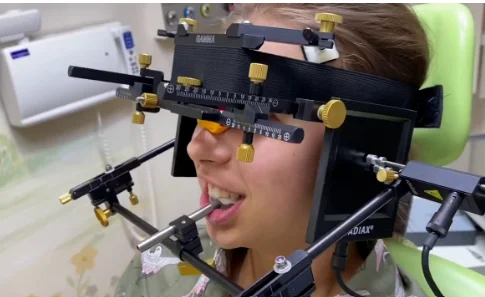
Condylography
Bite & TMJ
Condylography helps assess lower jaw movement.
Condylography records the movements of the lower jaw. The findings may inform orthodontic and comprehensive treatment. Your dentist determines whether the test is needed.
More about bite and TMJ care →
More about bite and TMJ care →
Orthodontic Team
Your orthodontists.
Tooth alignment and bite treatment, with additional functional assessment when needed.

Orthodontics
Maxim Kharchenko
Orthodontist

Orthodontics · Gnathology
Viktoria Efremova
Orthodontics · Bite and jaw function
Orthodontic care and assessment of jaw function, with additional diagnostic tests when indicated.
View her profile →
View her profile →
Choose a convenient appointment time.
Treatment Journey
Seven treatment steps.
Timing is individual. Checkups and oral hygiene guidance continue throughout treatment.
Step by step
01
Consultation
An examination and discussion of your goals.
02
Assessment
The necessary tests and scans.
03
Treatment plan
Method, sequence and fees.
04
Starting treatment
Braces are fitted or aligners are provided.
05
Checkups
We assess tooth movement and adjust the plan.
06
Completing active treatment
The system is removed after your orthodontist's assessment.
07
Retention
Retainers and continued follow-up.
Retention
Removing braces is not the end of treatment.
Retainers help maintain tooth position. Your orthodontist prescribes the type of appliance, wearing schedule and duration.
Treatment Cost
Fees for individual items.
Care standard: World Class. The price for braces on one arch or a set of aligners is not the total fee for a course of treatment.
What a full course includes.
Assessment, appliance placement, checkups and retention may be charged separately. The scope and estimate are agreed upon before treatment.
Full price list and American Standard →
Full price list and American Standard →
Common orthodontic questions.
These are general answers. Your recommendations depend on your bite, tooth position and treatment method.
Which is better: braces or aligners?
There is no single best method. Aligners are convenient and discreet, but they are not suitable for every situation. Braces may offer more control over complex movements. The choice is made after assessment.
Does orthodontic treatment hurt?
Temporary pressure and sensitivity may occur after braces are placed, the archwire is changed or a new aligner is started. These sensations usually ease as you adjust.
Can adults have bite correction?
Yes. Adults can have orthodontic treatment. Planning takes account of the teeth, supporting tissues, bite and overall clinical situation.
Will I need teeth removed before treatment?
Not necessarily. It depends on tooth position, available space, bite and treatment goals. The need for extraction is determined individually.
Does everyone need condylography?
No. Additional functional tests are used when indicated, if the dentist needs more information about lower jaw movement and temporomandibular joint function.
Why are retainers needed after orthodontic treatment?
After teeth have moved, they need help maintaining their new position. Retention therefore follows active treatment. Your orthodontist determines the type and duration.
Orthodontic Consultation
Book an orthodontic consultation.
Discuss tooth position, your bite, the necessary tests and treatment options.

Tel: +7 495 933 86 86
Moscow, Olympiyskiy prospect 16 bld.5, Olimpic Hall Business Center
Contact us
Schedule an appointment with the doctor:
US DENTAL CARE
Contact the clinic
Choose how to contact us.