Bite and TMJ care · US Dental Care
Bite and jaw function care in Moscow.Jaw pain, teeth grinding and tooth wear.
Viktoria Efremova assesses your symptoms, jaw joints and muscles, and the condition of your teeth. After examination, she determines whether tests or treatment are needed.
TMJ and muscles
Protecting teeth
Tests when indicated
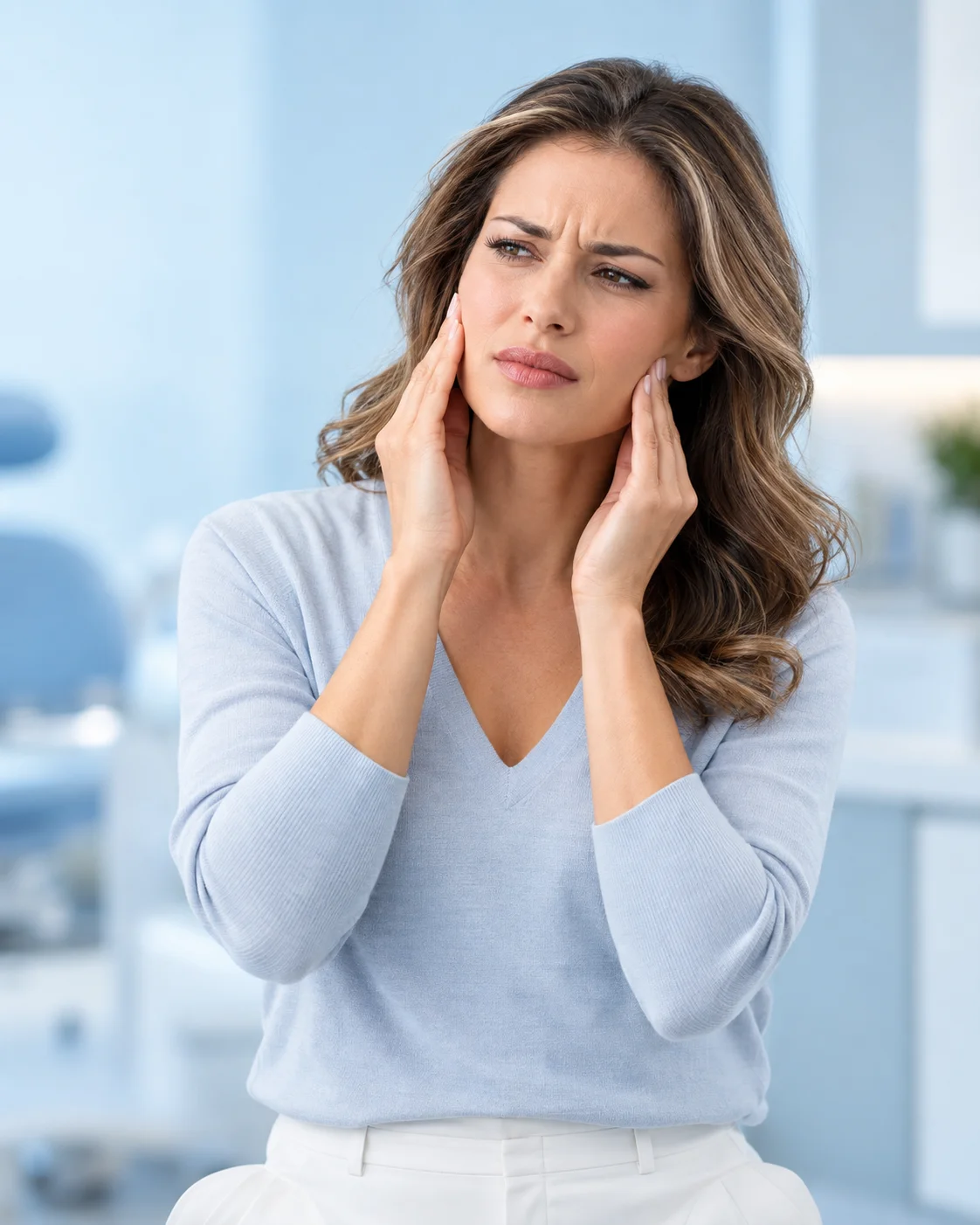
TMJ · Functional assessment
TMJ
TMJ
The source of pain may be elsewhere.
An examination helps distinguish joint and muscle pain from other conditions.
When to seek care
When to have your jaw and bite assessed.
Pain, restricted movement or noticeable changes in your teeth are reasons to seek a consultation. Painless clicking alone usually does not require treatment.
Your symptoms
A symptom helps guide assessment, but does not establish a diagnosis.
painful clicking
restricted movement
tooth wear
muscle tension
neck discomfort
What to discuss
What has changed, and when did it begin?
01
Pain and painful clickingAround the jaw, joint or chewing muscles.
02
Difficulty opening your mouthMovement is limited or your jaw locks.
03
Clenching and grindingEspecially with chipped or visibly worn teeth.
04
A change in how your teeth meetIncluding after dental treatment.
The first step
Start with an examination. A single symptom is not a reason to prescribe yourself a mouthguard.
How the jaw works
Joints, muscles and teeth: different roles in one system.
The diagram shows their relationships during movement and biting. It does not mean that all pain is caused by the bite.
Joints · Muscles · Teeth · Bite
Movement, muscle activity and tooth contacts.
01
TMJHelps the lower jaw move.02
Chewing musclesProduce movement and force.03
TeethBear forces when they meet.04
BiteThe relative position of the teeth and how they meet.Function
Lower jaw
movement
movement
Clinical assessment
Your bite is part of the examination.
Your dentist assesses jaw movement, joint and muscle tenderness, tooth contacts and tooth condition. Symptoms can have different causes.
Choosing treatment
Bite changes are not automatically prescribed to treat TMJ pain.
Bruxism · Tooth wear
Worn teeth? First, we look for the cause.
Grinding, clenching and other factors can damage teeth and restorations. The causes and extent of wear are assessed before restorative treatment.
Forces and restoration
Restored teeth also need protection from damage.
01
ForcesClenching, grinding and other damaging factors.02
Wear and chippingChanges to tooth structure and restorations.03
RestorationLost tooth shape is restored when indicated.04
Managing contributing factorsThe risk of further damage needs to be considered.Before restoration
Assess the wear. Discuss protection. Choose a restoration.
An examination helps assess tissue loss, chipping, sensitivity and possible damaging factors. Monitoring, a protective appliance or restoration may then be discussed, each according to its own indications.
What to know
Tooth wear does not establish a joint disorder. A mouthguard does not address every cause of bruxism.
Condylography · CADIAX® 4
CADIAX® 4: recording jaw movement.
The device records movement paths. The test is prescribed when its findings are needed for treatment planning.
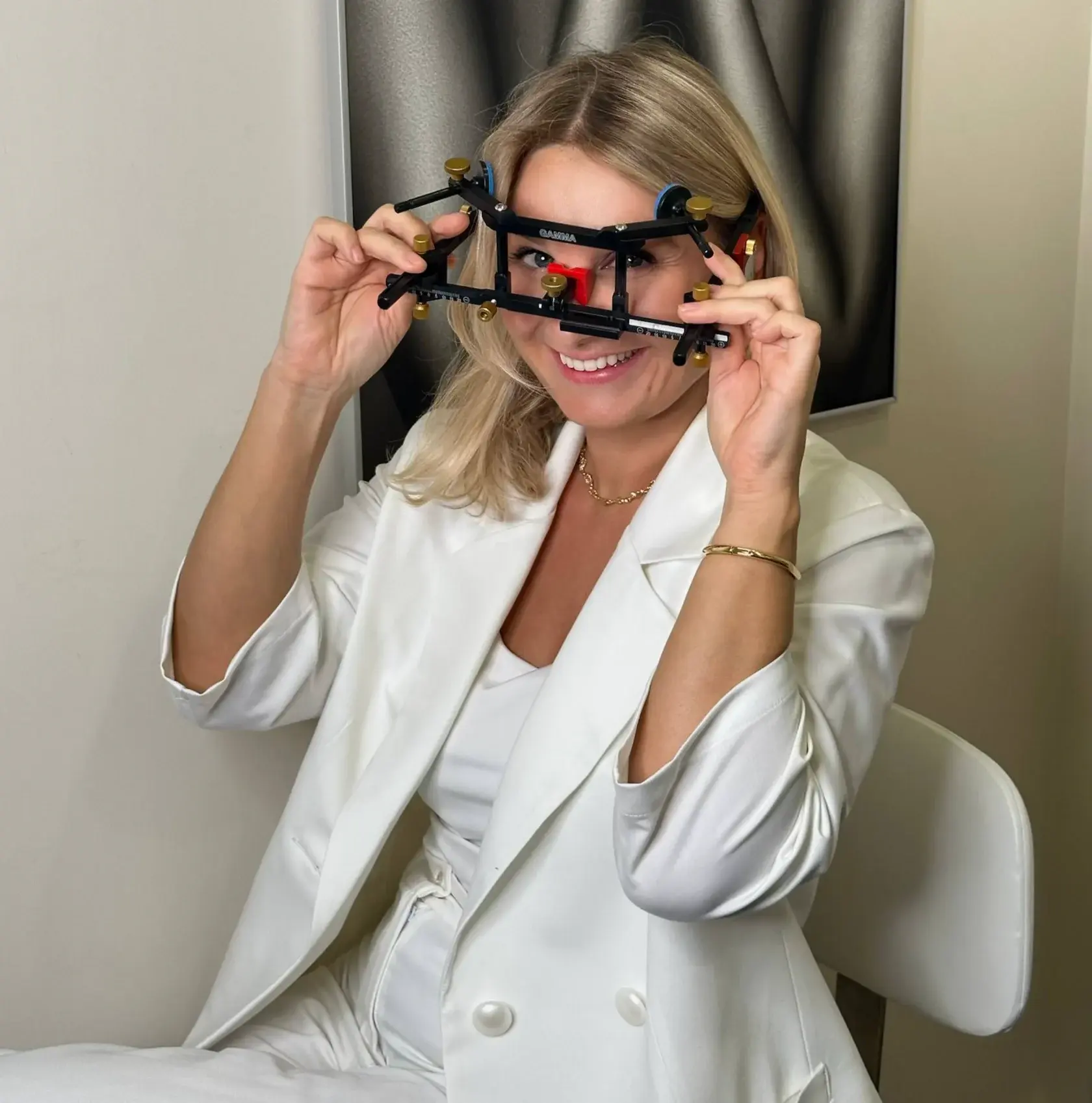
Gamma Dental CADIAX® 4
Recording prescribed movements of the lower jaw.Your dentist assesses the results alongside examination findings.
Information for planning
An addition to the examination.
Movement paths are considered alongside your symptoms and clinical findings. Condylography alone does not establish a diagnosis and is not needed for every patient.
Movement paths
Illustration only, not a patient's test result
Your first visit
What happens at a consultation.
Bring existing X-rays, reports and any appliance you already use. Your dentist determines whether new tests are needed after examination.
From symptoms to the next step
01
Symptoms and historyWhen symptoms began, what triggers them and any previous treatment.02
ExaminationJaw movement, joints, chewing muscles, teeth and bite.03
Tests when indicatedOnly the information needed to answer a clinical question.04
Discussing your optionsMonitoring, care for the identified problem or a referral to another specialist.Scope of assessment
The plan may develop.
If the first visit does not provide enough information, the plan is refined after further assessment. Not every patient needs CADIAX, imaging or a splint.
What you understand after your visit
What we know, what still needs checking and where to begin.
Choosing care
A splint is one possible tool.
An appliance is prescribed for a specific purpose. It is not required for every click, case of bruxism or episode of jaw pain.
A custom splint
Design and wearing instructions depend on clinical need.
An individual appliance
Monitoring its use is part of care.If an appliance causes pain, contact your dentist.
Care options
The choice depends on the problem identified.
01
Monitoring and adviceIf active treatment is unnecessary, we discuss monitoring and habits.02
A splint when indicatedFor a specific protective or treatment purpose, with an individual wearing schedule and follow-up.03
Dental restorationWhen tooth structure is damaged, restoration is considered on its own merits and in light of chewing forces.04
A coordinated planWhen several dental needs must be addressed together.Irreversible changes need their own clinical justification.
Crowns, tooth grinding adjustments and orthodontics are not automatically prescribed for TMJ pain. Discuss the reasons, risks and alternatives with your dentist.
Your dentist
Viktoria Efremova: orthodontics, bite and jaw function.
She assesses functional symptoms and bite condition. When needed, she coordinates assessment with orthodontic or restorative treatment.
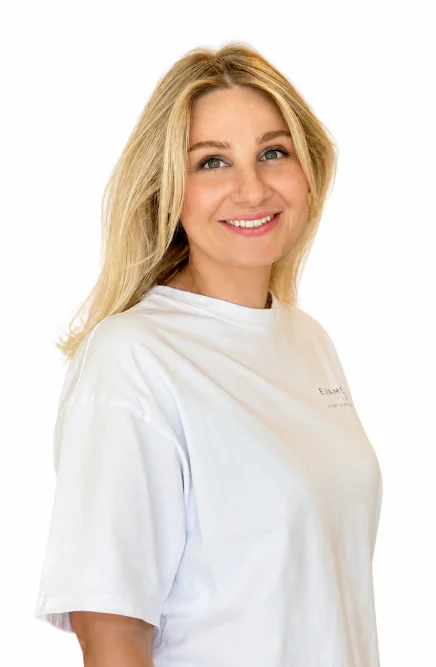
US Dental Care
Viktoria EfremovaOrthodontics · Bite and jaw function
Doctor
Viktoria Efremova
Orthodontics · Bite and jaw function · Highest professional qualification category
In practice since 2007
Orthodontics
Jaw function
Orthodontic training and further education in functional occlusion. Her full background and educational programs are available on her profile.
Fees · Questions · Appointments
Start with a bite and jaw function consultation.
Ask about the first-visit fee when booking. Tests, appliances and follow-up visits depend on clinical indications and your agreed plan.
An individual plan
First, understand the problem and the care needed.
After examination, discuss whether additional tests are needed, what they can tell you and your options for care.
Before any procedure
Discuss the necessary stages and their fees.
Understanding fees
Your first visit and subsequent stages.
Bite and jaw function consultationInitial review of symptoms and examination.
Ask when booking
Additional testsWhen indicated; fees are discussed before testing.
As prescribed
Splint and further treatmentThe scope depends on your needs and individual plan.
According to your plan
Common questions
Symptoms, assessment and treatment.
No. Painless clicking without restricted movement usually does not require treatment. Pain, locking or a change in function is a reason to seek an examination.
No. The decision depends on tooth damage, symptoms and the purpose of care. The appliance and wearing schedule are selected individually.
No. Condylography is prescribed when indicated. It should add to the examination and answer a specific question.
First, the dentist assesses how much tooth structure has been lost and possible damaging factors. Restoration and, if needed, protection are then selected. Tooth wear does not always indicate a TMJ disorder.
This is not a standard approach to TMJ pain. Care begins with a diagnosis and discussion of conservative options. Irreversible changes need separate clinical justification and consideration of alternatives.
No. There are several possible causes. Your dentist assesses your symptoms and may recommend a different specialist.
US Dental Care · Bite and TMJ care
Let's discuss your concerns.
Tell us what is bothering you and bring any previous test results. Your dentist will help determine the next step.

Tel: +7 495 933 86 86
Moscow, Olympiyskiy prospect 16 bld.5, Olimpic Hall Business Center
Contact us
Schedule an appointment with the doctor:
US DENTAL CARE
Contact the clinic
Choose how to contact us.