Bring your records
Previous X-rays, reports and any existing treatment plan.

Moscow, Olympiyskiy prospect 16 bld.5, Olimpic Hall Business Center
First, we assess your oral health. Your dentist examines your teeth and selects the tests needed to establish a diagnosis and plan treatment.
X-rays and scans are prescribed when clinically indicated.
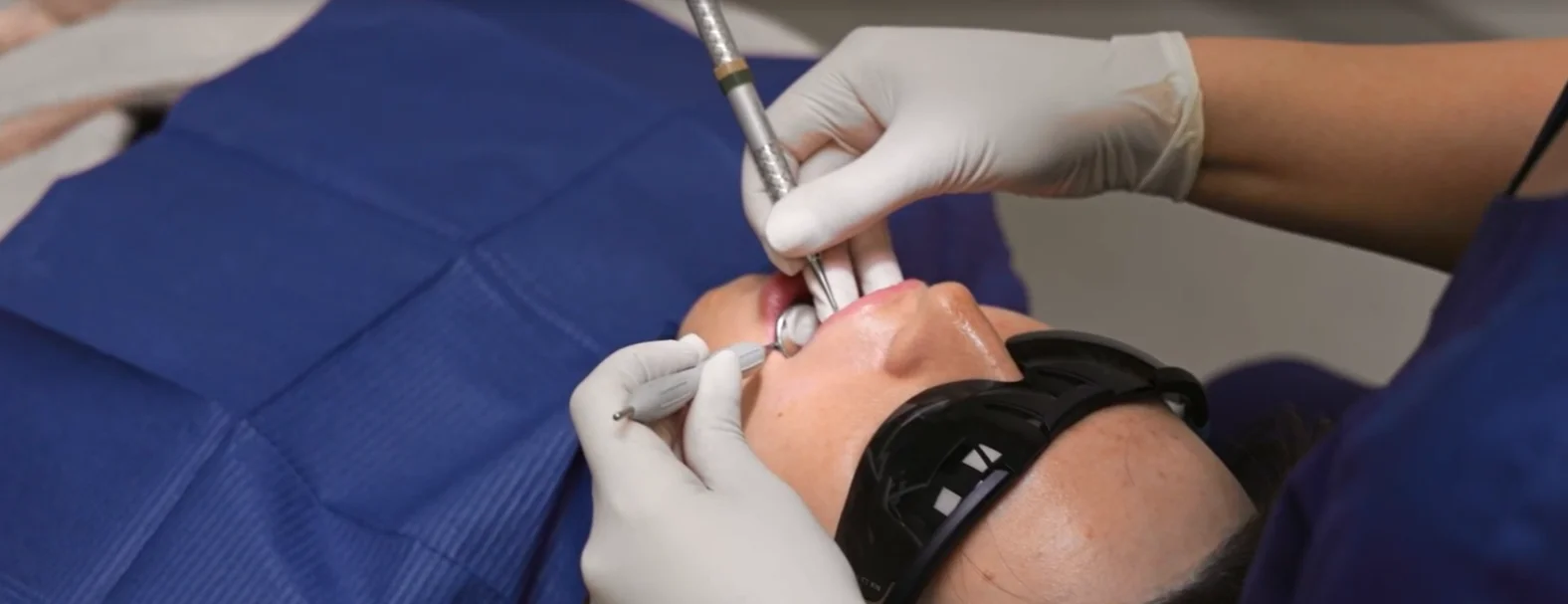
Each method answers a different question. Your assessment is tailored to your individual needs.
Your dentist reviews your concerns and checks your teeth, gums and bite, then determines what information is needed to make a clinical decision.
These images help assess an individual tooth or area. Bitewing X-rays show, among other things, the spaces between teeth and the level of bone between them. The number of images depends on the clinical question.
Three-dimensional images of the teeth and bone. A scan may be needed for implant planning, oral surgery or complex root canal treatment when additional information is required.
Creates a digital model of your teeth for treatment planning. It uses optical technology without X-rays. It does not replace X-ray imaging when that is clinically necessary.
Not every patient needs a cone beam CT scan or a full series of X-rays. If existing images provide enough information, repeat imaging may not be necessary.
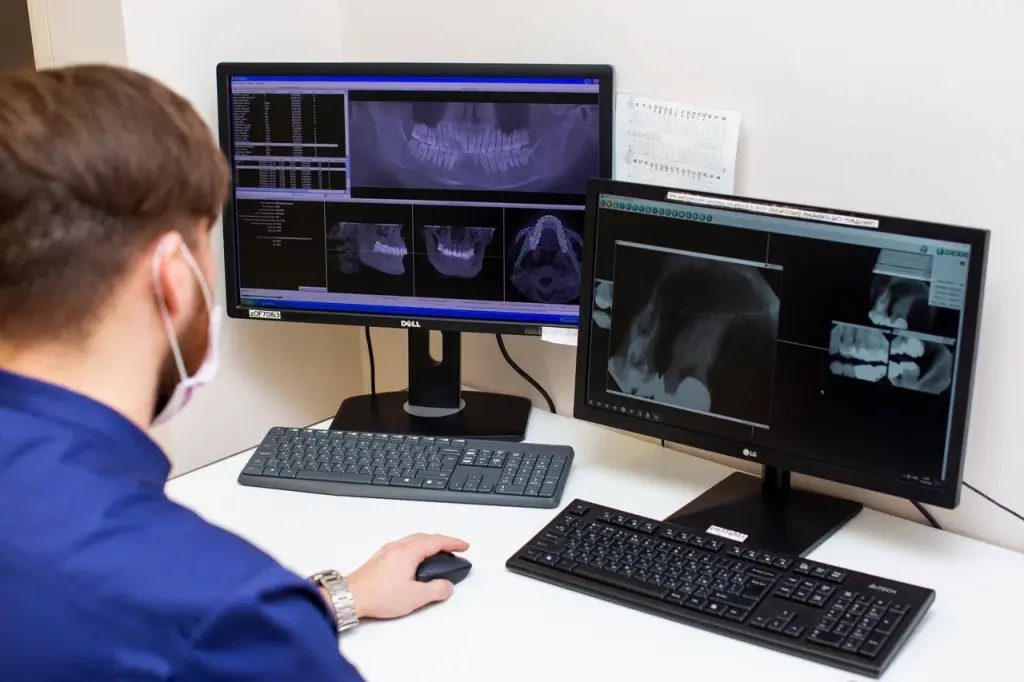
Swipe through the steps →
Previous X-rays, reports and any existing treatment plan.
Your symptoms, how long you have had them and any previous treatment.
Your dentist explains which tests are needed and what questions they can answer.
Discuss the findings and recommendations at your consultation. For complex cases, dentists from different specialties may contribute to your plan.
Starting fees for specific items on our price list. The scope of your assessment is determined after examination.
Your dentist determines the area and scope of the scan. Ask about the fee for your prescribed assessment when booking.
CT scans and other diagnostic feesThe fees shown are for World Class care. Our full list of services and American Standard fees is available in the clinic's price list.
There is no standard set of X-rays for every patient. The recommendation depends on your examination, symptoms, risk of dental disease and previous imaging.
Yes. Bring any existing images. Your dentist will assess their quality and relevance to your current needs; repeat imaging may not be necessary.
X-ray imaging is prescribed when it is expected to benefit diagnosis and treatment. The method, area and scope are selected according to clinical need.
These methods answer different questions. A 3D scan is not automatically prescribed in place of a bitewing or periapical X-ray. The choice depends on the diagnostic question and whether the available information is sufficient.
Start with an examination. If more information is needed, your dentist will explain the purpose of each recommended test.
Contraindications may apply. A specialist consultation is required.
Choose how to contact us.